12 Best In-App Messaging Platforms for SaaS in 2026

Choosing an in-app messaging platform is less about adding more pop-ups and more about helping users take the right action inside your product. Some tools focus on onboarding and product adoption; others are built around customer support, enterprise software guidance, or a broader product workflow.
This shortlist compares 12 platforms by the kind of work they can support. Treat it as a starting point, not a ranking: features, plan limits, and pricing change, so test the tools against your own product and audience before choosing.
How to choose an in-app messaging platform
Start with the user problem. Are new customers failing to reach their first useful outcome? Do existing customers miss new features? Are support questions interrupting users mid-task? A platform that excels at one of these jobs may not cover the others.
During evaluation, check:
- Message formats and control: Can you deliver the in-product prompts your use case needs? Can you control who sees them, when, and how often?
- Measurement: Can you distinguish a message view from the product action you want users to take?
- Setup and upkeep: Who will create, review, and maintain messages as the product changes?
- Connections to other work: Can the team relate messaging to customer feedback, releases, onboarding, or product usage?
- Total cost: Check the price at your expected user volume, billing term, and feature tier. Include the effort needed to operate any additional tools.
If the main goal is activation rather than communication alone, compare tools by the behavior they help users reach. This SaaS onboarding guide explains how to assess onboarding around activation outcomes.
12 in-app messaging platforms to compare
1. Appcues
Appcues is worth considering when a SaaS team wants to create in-product onboarding and user guidance without making every change a custom engineering task. Check how its plans handle your target audience size and which capabilities are included at the tier you need. One available pricing note reports an Essentials plan at around $249 per month for up to 2,500 monthly active users on annual billing; confirm current terms with Appcues before budgeting. (Pricing context)
2. Pendo
Pendo is a candidate for teams comparing in-product guidance with product usage analysis. Evaluate whether its reporting answers your specific adoption questions, and whether the guidance and analytics fit your team's day-to-day workflow. If you need specialized behavioral analysis, test that capability with your own event definitions rather than relying on a feature list.
3. Userpilot
Userpilot is commonly considered for product onboarding and user engagement. It may suit teams looking to bring user guidance and product experience work together. In a trial, check how easily you can target messages to the right audience and whether the reporting measures task completion, not only exposure.
4. Intercom
Intercom is a relevant option when in-product communication is closely tied to customer conversations and support. It is worth comparing if users need to ask for help while working in your SaaS product. Confirm that the product guidance features meet your needs, especially if your main objective is structured onboarding rather than support messaging.
5. Userflow
Userflow is an option to assess when the central job is guiding users through product tasks and early experiences. During evaluation, build one realistic onboarding sequence and check how much work it takes to keep it accurate as the interface changes. Also confirm whether its targeting and measurement cover your intended use cases.
6. Chameleon
Chameleon is worth a look for teams evaluating in-product experiences such as contextual guidance and announcements. Use a trial to check how much control you have over the experience, audience, and timing. Make sure the platform supports the specific message types and success measures your team needs.
7. UserGuiding
UserGuiding may fit teams looking for product walkthroughs and in-app guidance. Compare it with other onboarding-focused options using a real user journey, not a demo built around a simple example. Look closely at how the tool supports maintenance, targeting, and measuring progress toward a useful product action.
8. WalkMe
WalkMe is a platform to consider when digital guidance must support complex workflows, particularly in larger organizations. The key evaluation questions are how it fits your software environment, how much implementation and ongoing administration it requires, and whether its scope is appropriate for your team. A lean SaaS team with a narrow onboarding need may not need an enterprise-focused setup.
9. Whatfix
Whatfix is another enterprise digital adoption platform to compare when guidance spans complex software workflows. Test it with the systems and user journeys you actually need to support. Include deployment, governance, and maintenance in the evaluation, as well as the end-user experience.
10. Gainsight PX
Gainsight PX is a candidate for teams evaluating product experience and adoption capabilities. Check whether its approach matches your product analytics needs and how its guidance fits the rest of your customer-success workflow. As with any platform in this category, define the behavior you want to measure before comparing dashboards.
11. Product Fruits
Product Fruits is a relevant option for SaaS teams comparing onboarding and in-app engagement tools. Assess it against your required message formats, targeting rules, and usage measures. The Product Fruits comparison of in-app messaging platforms is also a useful starting point for vendor research, but verify current product details and pricing directly with each provider.
12. Managani
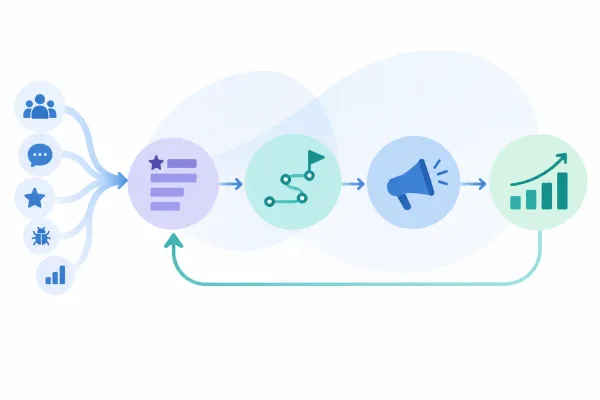
Managani is designed for lean SaaS teams that want in-app messaging connected to other product-growth work. Its workspace brings together feedback, roadmaps, changelogs, onboarding, in-app messaging, analytics, and adoption tracking. That makes it relevant when the challenge is not only sending a message, but carrying context from a customer signal or product release into guidance and follow-up.
For example, a team can consider how a new feature announcement connects to onboarding and whether the intended users adopt the feature afterward. Managani is not necessarily a like-for-like substitute for a specialist platform with a narrow focus. Compare the workflow you need and test the capabilities that matter to your team.

Which platform is the best fit?
The best in-app messaging platform depends on what you need the message to accomplish:
- For onboarding and product guidance: Compare Appcues, Userpilot, Userflow, UserGuiding, and Product Fruits using the same user journey.
- For product experience and usage context: Evaluate Pendo and Gainsight PX against the product questions your team needs to answer.
- For support-linked communication: Consider Intercom if customer conversations are central to the use case.
- For complex enterprise workflows: Assess WalkMe and Whatfix for fit, setup requirements, and administration.
- For a connected product-growth workflow: Consider Managani when messaging needs to sit alongside feedback, roadmaps, releases, onboarding, and adoption tracking.
Before you choose, test a single real scenario: identify the users who need help, deliver the relevant message, and measure whether they complete the intended action. A message being displayed does not show that it solved the problem. Define the action and audience first, then compare what each platform can measure. For more on that distinction, see how to connect onboarding guidance to product usage.
The right tool is the one your team can keep relevant and measure against a clear user outcome. Compare the complete workflow and operating cost, not just the number of message formats in a demo.