10 Best Social Listening Tools for B2B SaaS Companies

A social listening tool can help a B2B SaaS team spot product complaints, feature requests, launch reactions, and changes in brand perception across online conversations. The right choice depends on where your customers speak and what your team plans to do with the signals it finds.
The tools below cover different needs, from social publishing platforms with monitoring features to services focused on brand mentions and broader media coverage. This is a practical shortlist, not a claim that every tool has been tested against the same dataset. Check each provider's current channel coverage, data retention, integrations, and pricing before you decide.
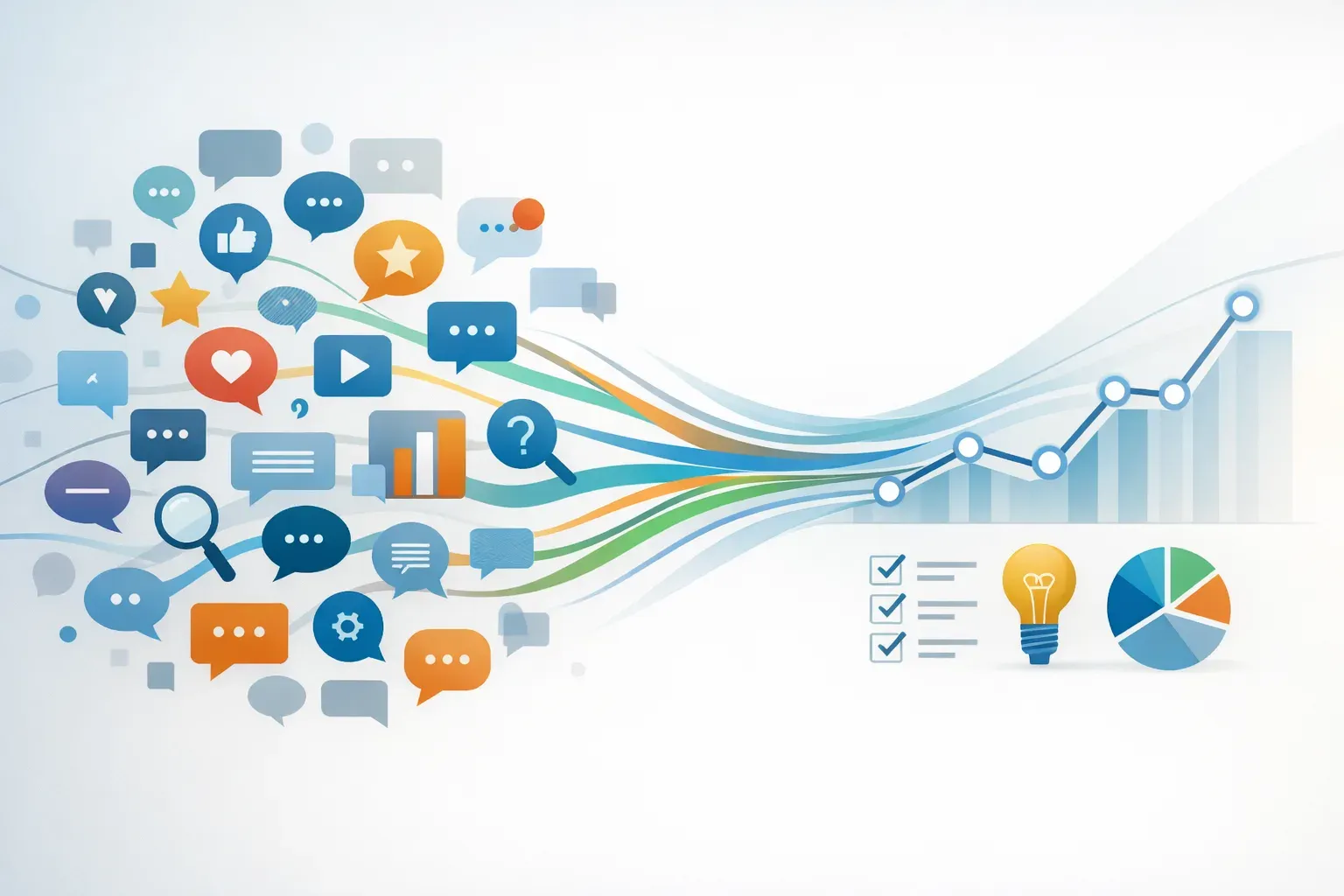
10 social listening tools to consider
1. Brand24
Brand24 is an option for teams that want to monitor brand mentions across online sources and review signals such as reach and sentiment. It may suit a SaaS company that needs a dedicated view of brand conversations, campaign response, or emerging reputation issues.
Before choosing it, test whether it captures the communities that matter to your customers. Coverage of a source can vary, and a dashboard is only useful if the relevant conversations appear in it.
2. Mention
Mention is worth considering when your team needs to track mentions of a company, product, or chosen topic and review them in one place. It can be a fit for a lean marketing or product team that wants to notice changes without manually searching multiple sites.
Check how its monitoring and alerting work for your specific keywords. Product names, common words, and competitor names can produce noise unless searches are tuned carefully.
3. Sprout Social
Sprout Social combines social media management with listening capabilities. It may fit a team that already manages social publishing and engagement in one platform and wants monitoring alongside those activities.
For product research, distinguish between monitoring a set of owned social accounts and discovering broader discussions across the web. Confirm that the listening coverage reaches the sources your customers use.
4. Hootsuite
Hootsuite is a social media management platform with monitoring features that can help teams follow selected topics and conversations. It may be a practical choice when social publishing, account management, and basic listening need to share a workflow.
If your main goal is discovering unsolicited product feedback outside your own channels, assess the listening scope directly. Compare sample results from your key terms rather than choosing based on the number of channels listed.
5. Brandwatch
Brandwatch is a candidate for organizations that need broader consumer or brand intelligence and more involved analysis. It may be relevant when social signals are part of a larger research or communications process.
A smaller SaaS team should consider the work required to configure and maintain its listening program, not just the range of analysis available. Ask for a demonstration using your own brand terms and customer communities.
6. Talkwalker
Talkwalker is another option for teams evaluating social and media monitoring at a broader scale. It may be useful when the team wants to follow brand or campaign conversations across multiple sources.
The key evaluation question is whether its source coverage and reporting match your use case. For an incident response workflow, test alert timing and how easily the team can separate urgent mentions from routine discussion.
7. Meltwater
Meltwater is commonly evaluated for media intelligence and monitoring needs that extend beyond day-to-day social account management. It may be a fit for SaaS companies whose communications teams track news coverage and brand mentions alongside social discussion.
Confirm the channels, regions, and types of media included in the plan you are considering. A platform's overall breadth does not guarantee that it captures every niche forum or community relevant to your users.
8. Awario
Awario is a tool to consider for web and social mention monitoring, particularly if your team wants to track selected keywords or brand terms. It may suit teams looking for a focused way to discover conversations beyond their own social accounts.
As with any keyword-based system, set aside time to refine searches and review false positives. A competitor name or product term that is also a common word can make an alert stream hard to use.
9. Google Alerts
Google Alerts is a lightweight starting point for tracking selected terms in indexed web content. It can help a small team notice some new references without adopting a full social listening platform.
It is not a replacement for a tool designed to monitor social conversations in depth. Use it when the need is basic awareness, and choose a dedicated platform if you need richer filtering, broader social coverage, or a shared monitoring workflow.
10. Media Watcher
Media Watcher describes its service as social listening and media monitoring across social platforms, forums, blogs, podcasts, news, and broadcast. That broader mix can help a B2B SaaS team follow how a product launch, outage, or reputation issue develops from online communities into industry media. See the Media Watcher overview for its discussion of the category.
If your team needs visibility across several kinds of media, ask for examples from the sources and regions that matter to your business. Confirm how results are filtered and delivered before treating broad coverage as a substitute for useful, actionable monitoring.
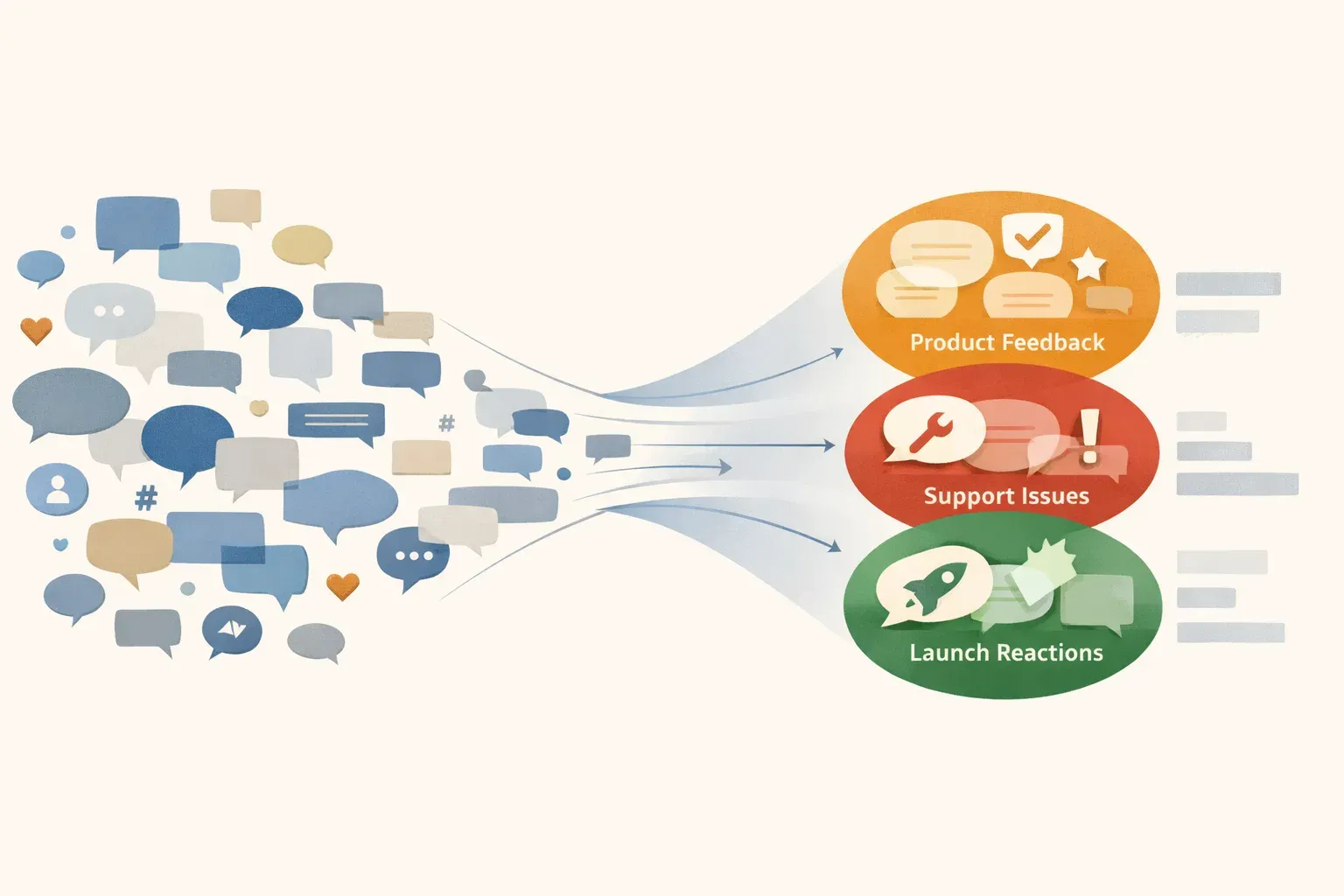
How to choose a social listening tool
Start with a decision the team needs to make. "Track our brand" is broad; "alert us when customers report a signup problem" or "find recurring requests about reporting features" gives you a testable use case.
Then compare shortlisted tools against these questions:
- Where does it listen? Check social networks, forums, review sites, blogs, news, podcasts, and other sources against your customers' actual habits.
- Can it find relevant conversations? Test brand names, product names, common misspellings, competitor names, and topic terms. Look at both missed mentions and irrelevant results.
- How quickly do alerts arrive? The acceptable delay depends on whether you are tracking routine feedback or responding to a time-sensitive issue.
- Can the right people act on a signal? Check who can access results, how findings can be shared, and whether the workflow fits product, support, and marketing.
- Can you interpret the signal? A mention count alone does not explain whether a conversation represents a feature request, a bug, a support issue, or general commentary.
- Does the cost fit the way you will use it? Compare limits, seats, source coverage, and reporting in the plan you would actually buy.
Run a short evaluation with a few real questions before committing. For example, choose one product launch, one known customer complaint, and one feature topic. Compare the results each tool returns, then ask the people who would use those results whether they can make a decision from them.
Turn social signals into product decisions
Listening identifies conversations, but it does not automatically tell a product team what to build. A mention may be a one-off complaint, a request repeated across accounts, or a support problem that needs a fast response rather than roadmap work.
Create a small triage process:
- Capture the signal. Record the source, date, relevant wording, and any available account context.
- Classify the need. Separate product requests from bugs, support questions, praise, and general brand discussion.
- Look for a pattern. Check whether similar feedback appears in customer conversations, surveys, or your existing feedback records.
- Decide what happens next. Assign an owner and record whether the team will investigate, respond, prioritize, or take no action.
- Close the loop. If a product change ships, tell the affected customers where appropriate and check whether the intended behavior is adopted.
This is where a listening platform and a product-growth workflow serve different jobs. Listening helps discover public discussion. A product workflow helps preserve customer context, compare evidence, plan a response, and follow what happens after a change. Managani is not a social listening tool; teams can use it for the product work that follows a signal, including collecting and organizing customer feedback and tracking events tied to feature adoption.
For a closer look at the boundary between broad monitoring and product feedback workflows, see Managani vs. Brand24. If you are deciding how to route findings after capture, the guide to choosing customer feedback tools can help distinguish feedback collection from analytics, surveys, and support.
Which tool is right for your team?
Choose based on the conversations you need to catch and the action that should follow. A team focused on owned social channels may prefer listening within its social management platform. A team tracking wider brand or media coverage may want a monitoring-focused service. A team with limited needs can begin with a lightweight alerting option, then move to a dedicated tool when gaps become clear.
The best social listening setup does more than collect mentions. It gives your team enough context to decide whether a signal deserves a response, a product investigation, or a roadmap discussion.