10 Enterprise Feedback Management Tools for SaaS Teams
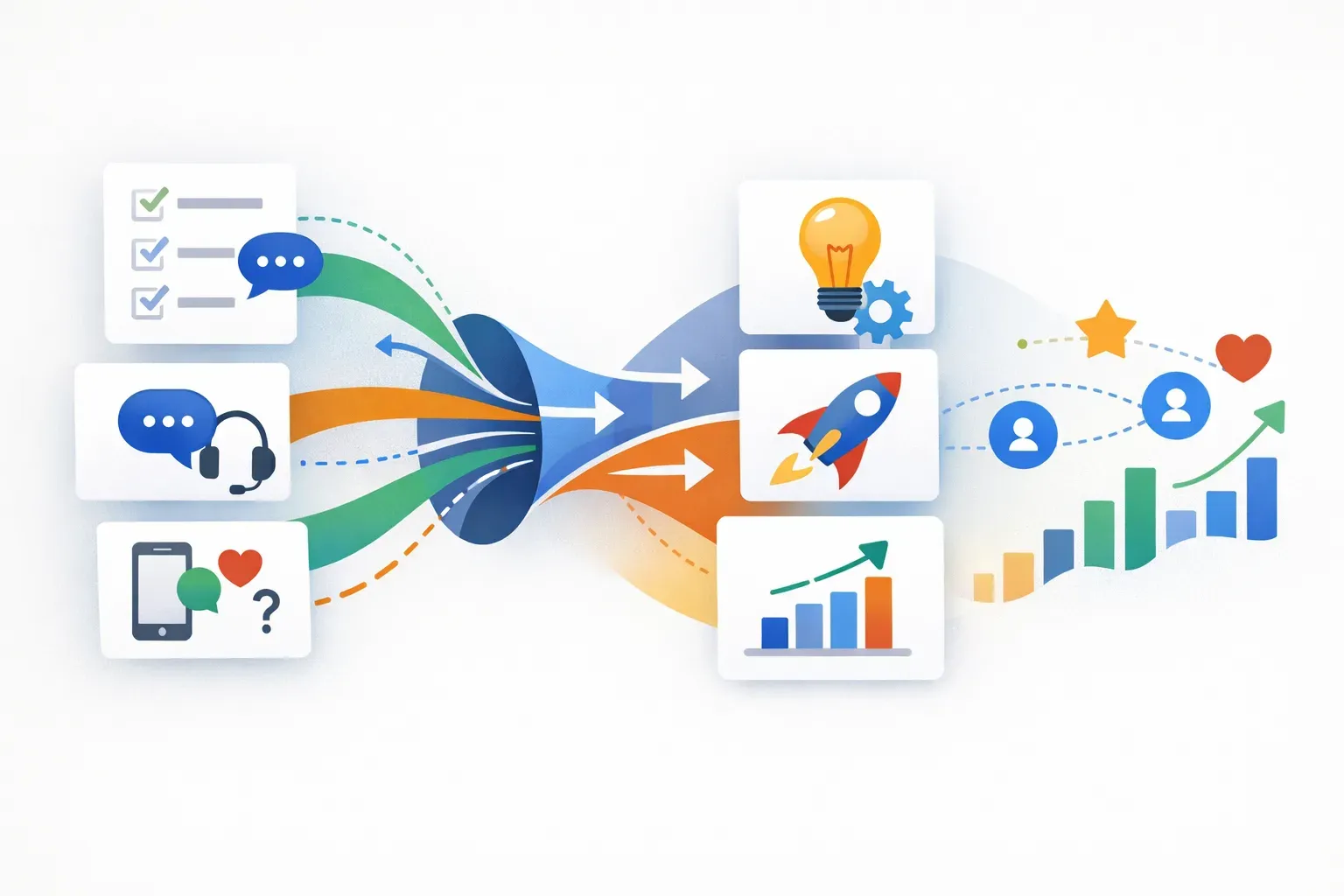
When customer feedback arrives through surveys, support tickets, sales calls, and in-app requests, teams can struggle to turn it into a decision. Enterprise feedback management (EFM) software helps organizations collect and organize customer input, then route it to the people who can act on it. The right choice depends on whether your main job is broad experience research, service feedback, or improving a software product.
This list covers ten tools across those needs. They are not interchangeable: some are built for large-scale voice-of-customer programs, while others focus on surveys, support conversations, or product requests. Use the descriptions as a starting point, then verify each vendor's current features, integrations, security requirements, and pricing for your use case. For a broader introduction to the category, see Qualaroo's overview of enterprise feedback management software.
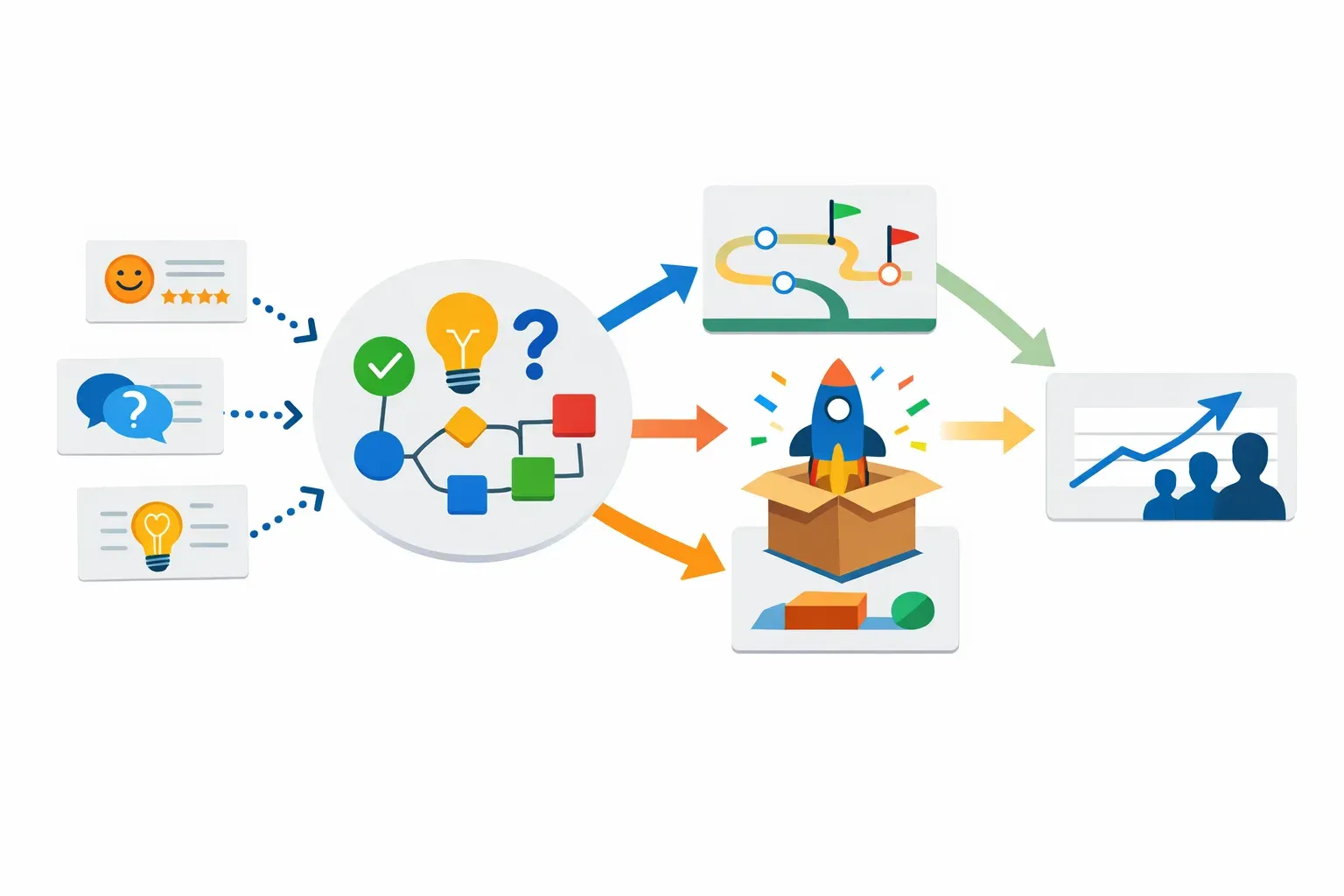
10 enterprise feedback management tools to evaluate
1. Qualtrics
Qualtrics is a candidate for organizations that need to run structured experience research across customers, employees, or other stakeholder groups. Consider it when your program depends on formal surveys and analysis across a large organization. During evaluation, check whether the platform's research and reporting capabilities match the team's needs, and how easily insight can be routed to owners.
2. Medallia
Medallia is commonly considered for enterprise customer-experience programs that bring together feedback from multiple customer touchpoints. It may suit teams with dedicated CX operations and a need to coordinate listening and follow-up across business units. Ask how feedback is connected to the specific workflows your product and service teams use.
3. SurveyMonkey Enterprise
SurveyMonkey Enterprise is worth evaluating when the primary need is creating and distributing surveys across an organization. It can be a fit for teams looking to standardize survey work and manage it centrally. If survey responses need to drive product decisions, test how easily researchers can share findings with product owners and track what happens next.
4. Qualaroo
Qualaroo is an option to assess when you want to gather feedback through surveys and prompts tied to a customer's digital experience. Before selecting it, map the moments where you want to ask questions and the teams responsible for responding. Confirm that the collection channels and analysis flow match your feedback program.
5. Zendesk
Zendesk is relevant when customer feedback is closely tied to support conversations. Support teams may already have valuable signals in tickets, so evaluate how well the system helps your organization identify patterns and pass them to product or experience teams. Also consider whether your goal is managing service cases, collecting structured product requests, or both.
6. UserVoice
UserVoice is a product-feedback option to consider when customers need a way to submit ideas and product teams need to organize requests. Evaluate how requests are grouped, reviewed, and connected to roadmap decisions. The key question is whether the system supports your team's decision process, not just whether it provides a place to submit ideas.
7. Canny
Canny is another product-feedback tool to compare for collecting and managing feature requests. It may be relevant if your team wants customers to submit requests and express interest in ideas. In a trial, check how easily feedback moves from collection to prioritization, customer communication, and release follow-up.
8. Featurebase
Featurebase is an option for teams evaluating customer feedback and product communication workflows. Compare it against your own use case: where customers submit input, how your team reviews demand, and how you share progress. Test the complete path from a submitted request to a decision and a customer-facing update.
9. Productboard
Productboard is worth evaluating when the core challenge is organizing customer insights and using them to inform product planning. Ask whether it fits the way your team records evidence and makes prioritization decisions. If you also need to communicate releases and measure adoption, check whether those activities are supported in your current setup or require other tools.
10. Managani
Managani is a product experience platform for lean SaaS teams. It connects feedback with roadmaps, changelogs, onboarding, in-app messaging, analytics, and adoption tracking, so teams can follow product signals through to shipped changes and user behavior. That makes it relevant when the goal is to run a connected product-growth workflow rather than manage an enterprise-wide customer-experience program.
Managani is not presented as a like-for-like replacement for large-scale voice-of-customer platforms. Teams with complex, organization-wide survey research or formal CX operations should assess those requirements directly. For product teams focused on requests and follow-through, the feedback widget supports customer submissions, votes, comments, and request history. Read how customer feedback management can work in one workflow for more on connecting feedback to decisions and follow-up.
How to choose the right EFM tool
Start by naming the work the software must support. "Manage feedback" is too broad to guide a decision. Specify whether you need to run surveys across business units, analyze support conversations, collect feature requests, or link customer evidence to product releases.
Then compare tools against the same workflow:
- Identify the sources. List where feedback comes from today, such as surveys, support, in-app prompts, or a product portal.
- Define the owner. Decide who reviews each type of input and who is responsible for responding or taking action.
- Test prioritization. Use real examples to see whether the tool helps the team group similar signals and compare their importance.
- Follow the path to action. Check whether a finding can be connected to a decision, roadmap item, or service improvement without losing its customer context.
- Plan the follow-up. Determine how customers will hear about a decision or release, and how the team will tell whether the change helped.
- Check operational requirements. Review identity and access controls, data handling, integrations, reporting, implementation effort, and total cost with the relevant teams.
A tool that captures more feedback is not automatically a better fit. If the organization has no clear review cadence or owners, adding another collection channel can create a larger backlog without improving decisions.
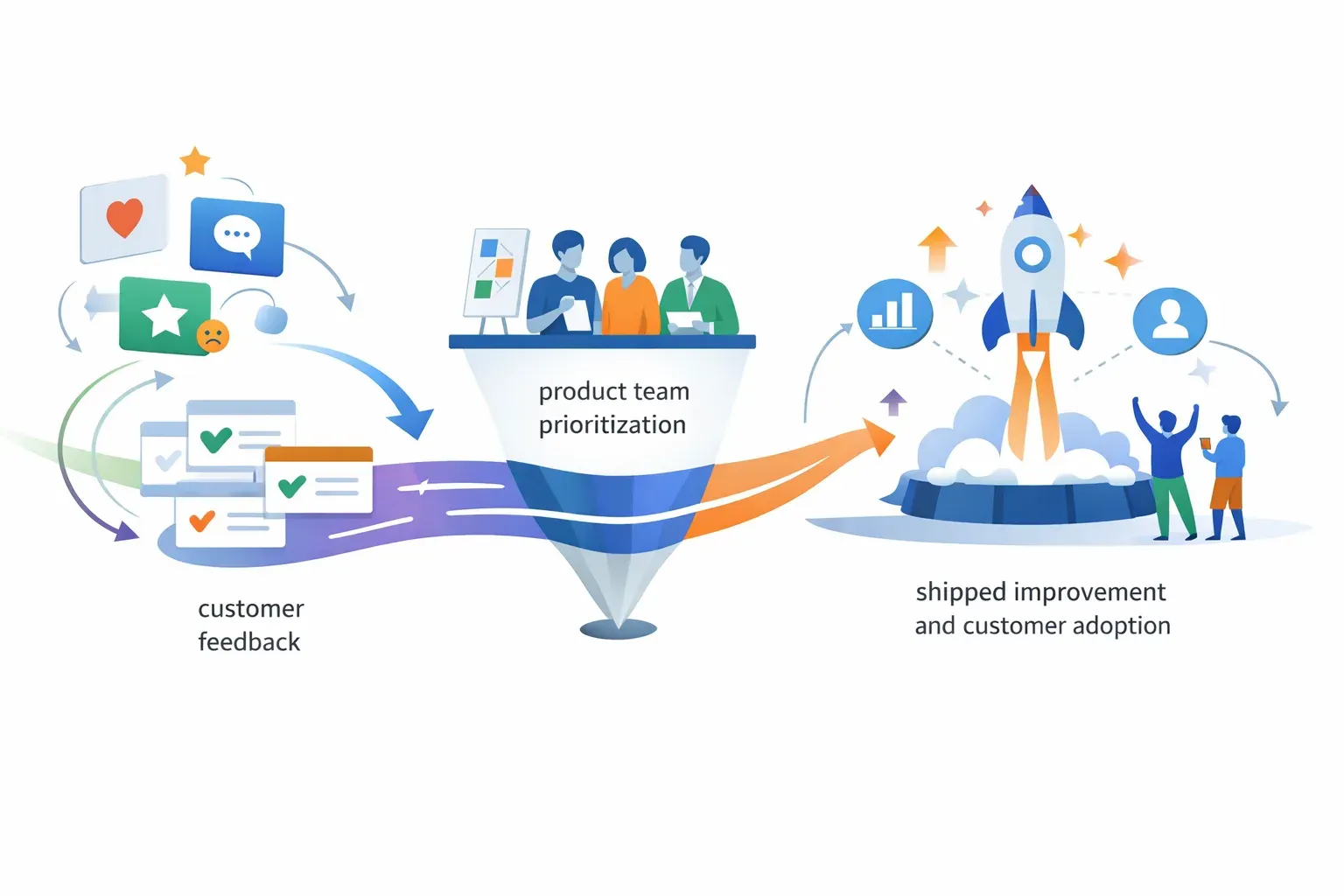
For SaaS product teams, the most useful comparison often comes down to the connection between feedback and product behavior. A request may influence prioritization, shape a roadmap item, and inform a release. After launch, an in-app message or onboarding prompt can guide customers to the change, while usage data can show whether they adopted it. Managani's tracking guide for shipped features explains how product teams can connect release activity to adoption signals.
Which tool should your team shortlist?
Choose based on the job you need to improve:
- Broad experience research: Evaluate platforms designed for structured, organization-wide feedback programs.
- Survey collection: Focus on survey creation, distribution, analysis, and how findings reach decision-makers.
- Support-led insight: Look at how customer service feedback can be identified and routed to other teams.
- Product requests: Compare request collection, grouping, prioritization, and customer updates.
- Connected SaaS product growth: Consider whether feedback, roadmap decisions, changelogs, onboarding, and adoption tracking can work together.
The best enterprise feedback management software is the one that fits the scale and purpose of your feedback program, and gives its owners a clear next step after listening. For product teams, judge the tool by more than the number of responses it collects. Test whether customer context stays attached from the first signal through the decision, release, and adoption check.